Yadavindra Gardens, Pinjore
During October when the Pinjore Heritage fest is held every year, is without any doubt a great if not the best time to visit the garden. Pinjore gardens are also called as Yadavindra Gardens and were constructed by the architect Nawab Fidai Khan in the 17th century. As visitors enter through the big entrance, the first terrace created in Mughal Style will be the first thing they would see. There are water channels running right in the middle of the garden with fountains inside them. The extensive use of marble is also evident in the fountains, stone pathways, and intricately designed pavilions, contributing to the overall grandeur of the gardens. There is a nominal entrance fee to visit the gardens.
Yadavindra Gardens
The central water channel runs through the length of the garden, with fountains placed at regular intervals, creating a mesmerizing display. This terrace is adorned with Mughal-style pavilions and lush lawns, providing a grand introduction to the garden’s splendor. While Pinjore Garden is beautiful year-round, the best time to visit is during the spring and autumn months when the weather is pleasant, and the garden is in full bloom. The garden has many scenic spots and views that can be captured in photos, such as the palaces, the fountains, the flowers, the animals, and the hills. The best time to visit Pinjore Gardens is during the spring or autumn season, when the weather is pleasant and the garden is in full bloom.
Terraced Garden

I visited Yadavindra Garden, Pinjore in January 2026. This was audible in all corners of garden. The Yadavindra Garden is very good place to visit. Her book is regarded as the first serious study of Indian garden design. Corbusier could also have read Constance Villiers-Stuart’s account of the Pinjore garden (in The Gardens of the Great Mughals) – as Edwin Lutyens did when working on the design of New Delhi. Corbusier visited Pinjore’s Mughal Garden when working on the design of Chandigarh – and it is a pity he did not learn more from the experience.
When we entered, the water flow was stopped and it was quite hot, so evenings are a better time to visit. As you walk through those gardens, saunter through that stretch of land entrenched with lavish fountains, dotted with Cypress and other varieties of plants, you shall be able to experience first-hand what it felt to be a king or queen. Whether you want to delve into the grandeur of Mughal gardens or enjoy a fun day at the water park, Pinjore Garden promises a memorable experience for all age groups. Spend a few hours in this colorful garden and find yourself transported to the time of royal Rajas, palaces, and courtesans.
Made during the reign of Aurangzeb and refurbished during the era of Emperor Yadavindra Singh, the Gardens earned themselves the name of Yadavindra Gardens to honor the legacy of the ruler. Overall, visiting Pinjore Gardens doesn’t require a hefty budget, making it an excellent option for a relaxed and economical getaway. Travelers visiting Pinjore Gardens will find a variety of budget-friendly accommodation options nearby. The garden is beautiful year-round but is especially popular in the spring and winter months when the weather is pleasant, and flower shows are held.
Pinjore Garden Ice Cream Parlour
The palace built on the first terrace is called the “Sheesh Mahal”, which is adjoined by a romantic “Hawa Mahal“. Also, avoid visiting the garden during the monsoon season (July to September), when the garden can get muddy and slippery, and the water features can get disrupted. The best time to visit the garden is between October and March, when the weather is pleasant and the garden is in full bloom. This terrace is also known as the Shish Mahal (Glass Palace), as it has a palace with glass windows and mirrors, reflecting the beauty of the garden.
- The entry charges for Pinjore Garden are minimal, making it a pocket-friendly destination for all visitors.
- Pinjore Gardens are an impressive example of the terrace gardens in India.
- The British colonial period also saw efforts to maintain and restore the garden, further cementing its status as a heritage site.
- In latest times, it’s been renamed as Yadavindra Garden withinside the reminiscence of Maharaja Yadavindra Singh former of the princely kingdom of Patiala.
- The garden, originally known as the Persian Gardens, was built in the 17th century during the reign of Mughal emperor Aurangzeb by Fidai Khan Koka, Aurangzeb’s foster brother.
The place is a stunning blend of Mughal grandeur and the tranquil beauty of nature, making it one of the best gardens in India for visitors to explore. It is not just the garden's history and beauty that attract visitors but also the effort put into maintaining and showcasing the rich cultural heritage of the region. The garden has various facilities and amenities for the visitors, such as restrooms, drinking water, food stalls, souvenir shops, etc. This terrace is also the main venue for the cultural events and festivals that take place in the garden, such as the Baisakhi and the Mango festivals. He designed the garden in the typical Mughal style, with geometric patterns, fountains, water channels, and pavilions.
An interesting thing about the garden is that the garden was abandoned due to Goitre, a disease that is caused due to lack of Iodine intake. Situated in the foothills of the Himalayas the garden is home to rare species of flowers and plants. Yadavindra Garden was the ancient name of this Yadavindra Gardens beautiful garden of Poinjore. The garden remains open for all days of the week from 7 am to 10 pm. The place is popular not just for the garden but also for the annual Mango Mela.

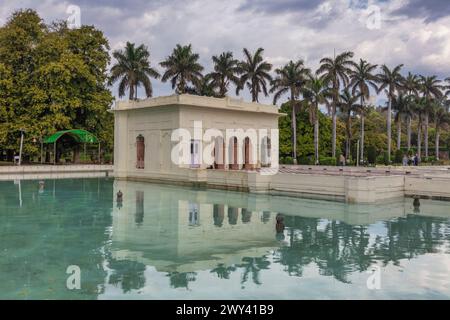
It is a Mughal architectural garden that was built by Nawab Fidal Khan Koka who was a renowned architect of his time. Today, Pinjore Garden stands as a testament to Mughal and Rajput architectural styles and continues to attract visitors with its serene ambiance and lush greenery. The structural style of the Pinjore garden is similar to the Shalimar bagh in Srinagar that’s based on the terrace-style garden. During the monsoon season you can visit to see a three day Mango festival organised in this garden every year.
The gardens are in the foothills of the Himalayas, near Chandigarh. Camera Not Allowed, only mobile photography is the option for visitors. The garden is planned wonderfully with central waterway and number of trees and flowers such as cypress, palm and magnolia. The temple is created in Mughal style arranged out on seven terraces. The miniature railway, which runs through the garden, offers a Yadavindra Gardens fun and scenic ride for kids and adults alike. All in all, One of the best places to visit in Chandigarh, Pinjore is a popular attraction for visitors of all ages.